ECO Marks World Cancer Day 2026
Cancer remains one of the European Union’s most pressing public health challenges.
Every year, 2.7 million people are diagnosed with it, 1.3 million dies from it, and €49 billion in productivity is lost to it. Annual healthcare spending on cancer care and cancer control has now reached €93 billion in the 27 countries combined.
This carries profound consequences not only for individuals and families, but also for health systems, economies, and society as a whole.
World Cancer Day, on 4 February, provided an opportunity to take stock of progress made, the challenges that lie ahead, and to reaffirm our collective commitment to improving prevention, care, and quality of life for all those affected by cancer.
Against this backdrop, the European Cancer Organisation contributed to World Cancer Day through a series of policy, institutional, and community-focused actions taking place in the days leading up to and following 4 February.
This is a pivotal moment for European cancer care. We’ve come so far; are we really ready to retreat? Are we really ready to let so many innovative, lifesaving projects quietly fade away?
Isabel Rubio, ECO President
KEEPING CANCER HIGH ON THE EU POLITICAL AGENDA
The Beating Cancer Plan: just the start of something better
 Political leadership and sustained investment remain essential to reducing the burden of cancer in Europe. Five years since its launch, Europe’s Beating Cancer Plan has delivered tangible improvements in prevention, screening, research, and survivorship. At the same time, important gaps persist, and hard-won progress must be safeguarded as the European Union prepares for negotiations on its next long-term budget. To learn more about the Plan’s many achievements, please click below.

A focus on pain in cancer survivorship
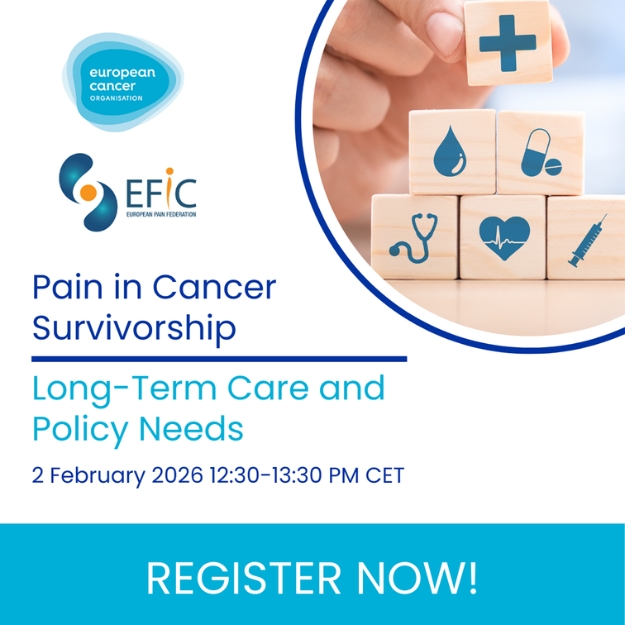 On 2 February, ECO contributed to a dedicated webinar organised by the European Pain Federation EFIC, entitled ‘Pain in Cancer Survivorship: Long-Term Care and Policy Needs’. The webinar explored the often-overlooked burden of pain among cancer survivors, drawing on recent EU-level evidence and focusing on unmet needs in follow-up care, multidisciplinary pain management, and policy priorities to improve survivorship outcomes.
A call for an EU budget that delivers for health, cancer, and rare diseases
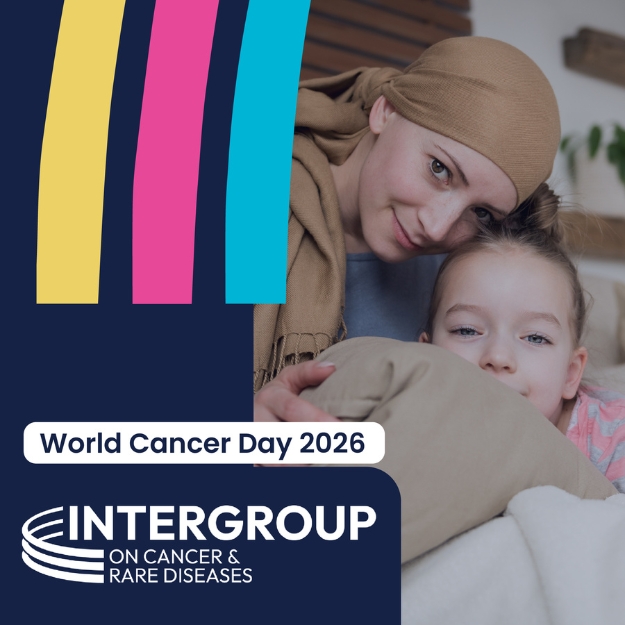 On 3 February, the European Parliament Intergroup on Cancer and Rare Diseases convened a high-level meeting in Brussels to underline the importance of health, cancer, and rare diseases in the upcoming Multiannual Financial Framework for 2028–2034. During the meeting, the Intergroup published a new consensus declaration reflecting cross-party agreement on the need to preserve and strengthen the legacy of Europe’s Beating Cancer Plan in the next EU financial period.
Supported by the European Cancer Organisation together with EURORDIS and SIOP Europe, the Intergroup brings together more than 70 members of the European Parliament from across the political spectrum to foster political unity for cancer and rare diseases.
Putting people at the centre of cancer care
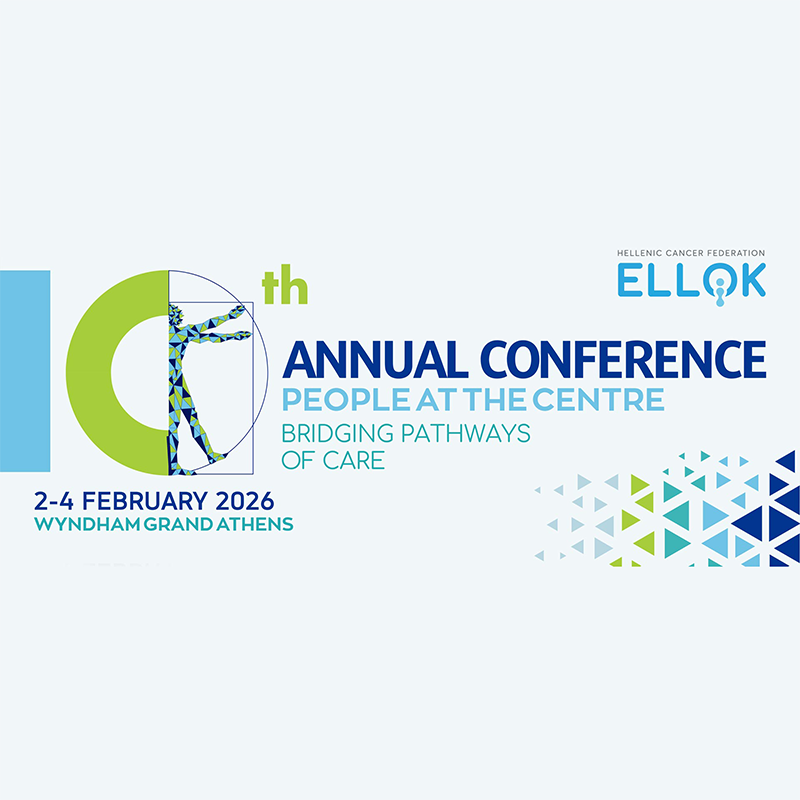 From 2 to 4 February, the Hellenic Cancer Federation ELLOK hosted its annual meeting in Greece, aligned with World Cancer Day and focused on people-centred oncology care.
The meeting brought together policymakers, clinicians, patient representatives, and other stakeholders to discuss key national strategies and policies, the current landscape of modern therapies, and innovation in clinical practice and research. ECO’s participation reflects its continued commitment to promoting meaningful dialogue throughout the cancer community.
Advancing prevention through evidence-based action
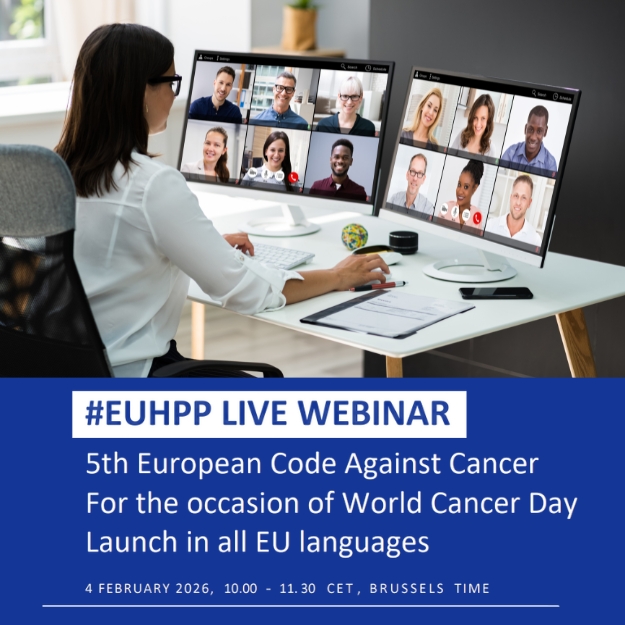 Prevention remains one of the most powerful tools to reduce cancer incidence and mortality. On 4 February, the European Health and Digital Executive Agency launched the fifth edition of the European Code Against Cancer. Available in all EU languages, the updated code sets out 14 evidence-based recommendations to help individuals and communities reduce cancer risk.
The European Cancer Organisation welcomes the launch of the updated Code as a cornerstone of EU cancer prevention efforts, supporting consistent, science-based messaging across member states and reinforcing the importance of prevention as a shared responsibility.
Improving patient access to research and clinical trials
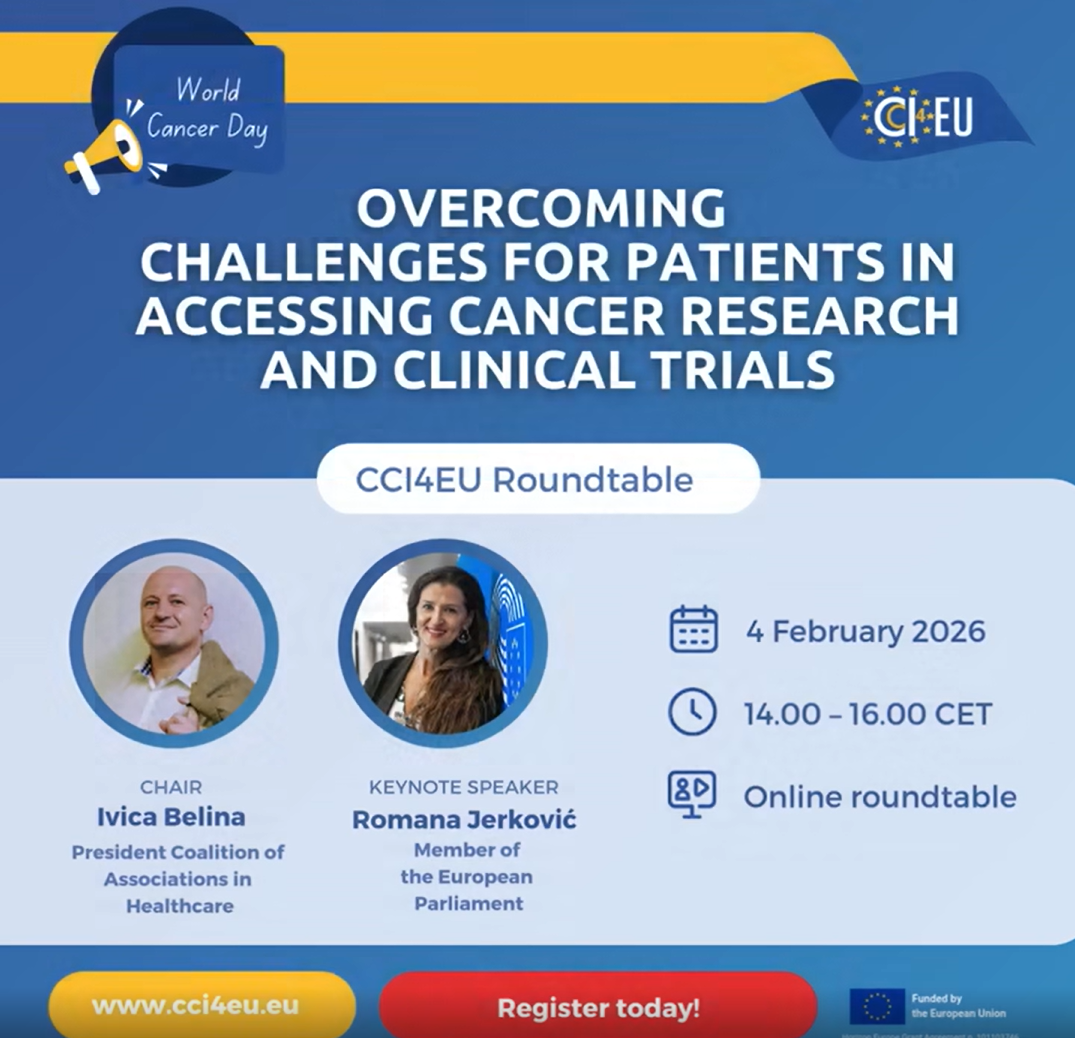 On 4 February, the CCI4EU CSA and the OECI Patient and Public Partnership Working Group hosted an online roundtable discussion focused on the hurdles associated with the approval of clinical trials across the EU. It explored what these challenges mean for patients, researchers, and clinicians, and addressed the role of patients in cancer research.
Addressing inequalities and delivering high-value care
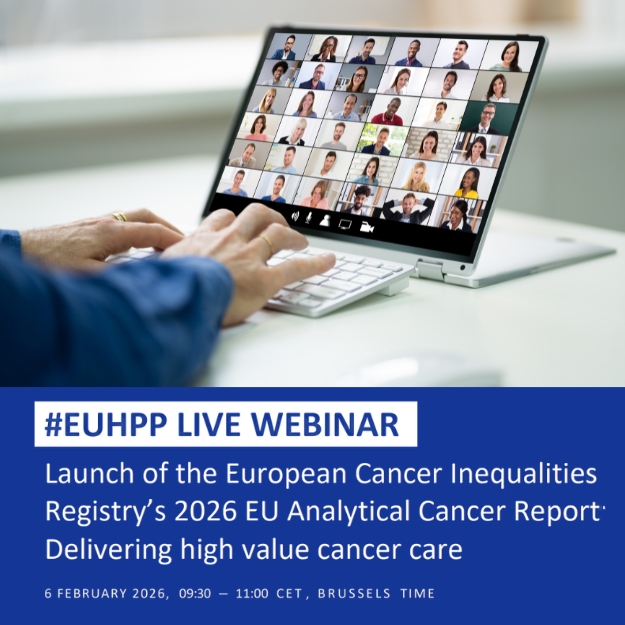 Persistent inequalities in cancer outcomes remain a major challenge across Europe. On 6 February, a live webinar marking the completion of the second reporting cycle of the European Cancer Inequalities Registry presented new findings on disparities in cancer care and prevention across EU member states.
By supporting data-driven analysis and knowledge exchange, the Registry helps countries identify gaps, share best practices, and target action where it is most needed.
WORKING TOGETHER ACROSS EUROPE
Alongside these flagship events, ECO is contributing to several ongoing EU-supported initiatives to improve cancer care for everyone. From cross-border training programmes and screening initiatives to digital tools for patients and survivors, these projects demonstrate the added value of European cooperation in tackling shared challenges.
Below are just a few of the projects that ECO has been coordinating or supporting:
INTERACT-EUROPE 100: Inter-specialty cancer training for all
Europe’s Beating Cancer Plan continues to demonstrate how targeted EU investment can transform cancer care across the continent. One notable example is INTERACT-EUROPE 100, a Europe-wide initiative co-funded under the EU4Health Programme that delivers inter-specialty cancer training to more than 100 cancer centres.
The project supports multidisciplinary cancer teams — including oncologists, surgeons, nurses and allied health professionals — by strengthening shared competencies and fostering collaboration across specialties. This integrated approach helps professionals work better together for improved patient care.
By breaking down silos between disciplines and aligning education with real-world clinical needs, INTERACT-EUROPE 100 is contributing to improved coordination, quality of care and patient outcomes across Europe. Sustaining and building on this momentum in cancer education and workforce development remains essential.
Learn more about the INTERACT-EUROPE 100 project.
Supporting adolescents and young adults across the cancer journey
Adolescents and young adults (AYAs) with cancer face distinct medical, psychosocial, and long-term challenges that require dedicated, coordinated approaches across Europe. Through EU-funded initiatives such as PanCare4AYA, PredictAYA, STRONG-AYA, and YARN, ECO is supporting efforts to improve survivorship care, prevent late effects of treatment, and empower young people affected by cancer through peer support, inclusion, and participation.
Harnessing digital innovation for better cancer care
Digital innovation plays a central role in improving the efficiency, quality, and accessibility of cancer care. ECO contributes to several European projects that harness data, artificial intelligence, digital tools and new methodologies to transform how cancer care is organised and delivered. Initiatives such as 4D PICTURE, CANDLE, and EU-CIP are redesigning cancer care pathways, data infrastructures, and access to reliable, patient-centred cancer information across member states.
Integrating mental health into cancer care and policy
Addressing mental health is essential to delivering truly people-centred cancer care. ECO supports European initiatives that focus on improving psychological well-being for patients, survivors, and caregivers, while strengthening psychosocial oncology services and policy integration. Projects including ALTHEA, DESIPOC, and MELODIC are advancing early detection of psychological distress, personalised mental health support, professional training, and evidence-informed policymaking.