-
news
18 July 2024
Members of the European Parliament (MEPs) from across the political spectrum gathered today to highlight the state of cancer policy in Europe. They emphasised their support for cancer remaining a top political priority in Europe, and they undertook to work together over the next five years to help accelerate improvements in cancer prevention, detection, treatment, care and research in all Member Countries.
Read more
-
news
09 July 2024
Statement from the European Cancer Organisation
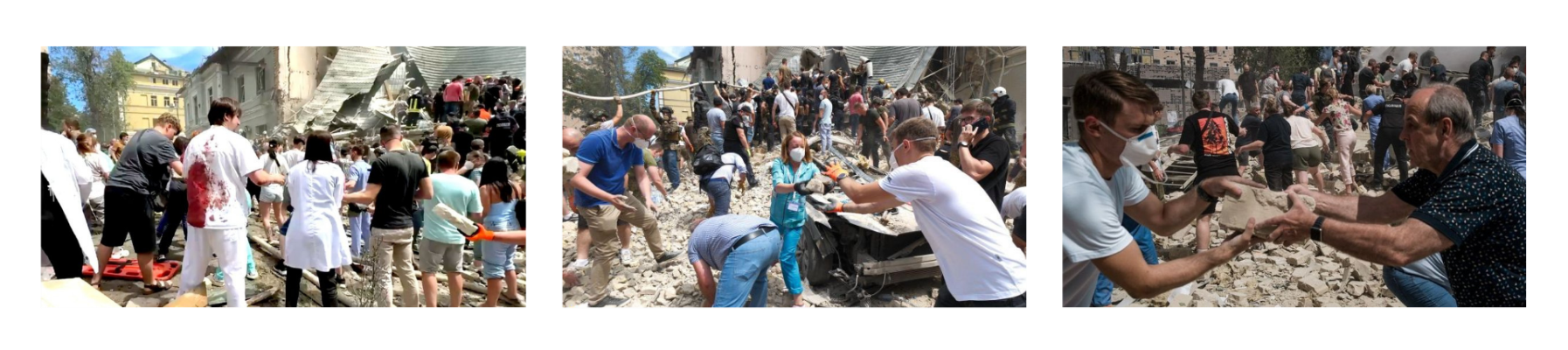
9 July 2024, Brussels: Responding to the horrific scenes from the Russian missile strike yesterday on Kyiv's Okhmatdyt Children's Hospital, the European Cancer Organisation has issued the following statement:
Russia’s military targeting of children, hospitals and healthcare facilities is appalling. Our hearts go out to all who have been harmed, including the most vulnerable of patients, healthcare professionals, parents and families. This attack stiffens our resolve to work with our member societies, patient organisations and others in giving help to cancer patients and professionals in Ukraine now and in the long term.
Read more
-
news
09 July 2024
The European Cancer Organisation (ECO) and the United Nations Population Fund (UNFPA) announce the signing of a Memorandum of Understanding (MoU) to strengthen their collaboration in the fight against cancer, especially cervical cancer, and to improve patient outcomes worldwide.
Read more
-
news
26 June 2024
A new report, published as part of the EU-funded STRONG-AYA project, highlights a series of lessons and recommendations to provide a brighter future for adolescents and young adults (AYAs) with cancer. Entitled ‘Caught in the Middle’, the report is the result of an extensive stakeholder forum.
Read more
-
reports
June 2024
Each year, more than 150,000 individuals belonging to the Adolescents and Young Adults (AYA) age range of 15 to 39 years old are diagnosed with cancer in the EU. They represent a unique group, facing cancer-related struggles such as pain, anxiety, or infertility, which interplay with age-related difficulties such as unemployment, or a lack of financial stability.
Read more
-
news
24 June 2024
In recent years, crises such as the Covid-19 pandemic and the war in Ukraine have had a significant impact on cancer patients, emphasising the need for global collaboration in response. To that end, the European Cancer Organisation (ECO) has created a new Focused Topic Network on Emergencies and Crises so that the cancer community can better anticipate and prepare for the urgent needs of cancer patients in emergency situations.
Read more
-
news
21 June 2024
The Council of the European Union has adapted a groundbreaking set of recommendations to increase vaccination rates against both the human papillomavirus (HPV) and hepatitis B virus (Hep B) and combating cancers caused by these two viruses. The measures were agreed upon today on during a meeting of the EPSCO (Employment, Social Policy, Health and Consumer Affairs Council) in Brussels, and are crucial for advancing our efforts to prevent cancer across Europe.
Key recommendations to member states include:
- Introducing 19 measures to boost HPV and HepB vaccination uptake by removing structural barriers for disadvantaged and high-risk groups
- Expanding access to vaccination by providing the service free of charge or fully reimbursable
- Enhancing data-driven decision-making for vaccination programmes
- Ensuring the European Centre for Disease Prevention and Control will display national data on HPV coverage rates in EU member states on a dedicated dashboard by the end of the year
- Promoting a target for the percentage of boys to be vaccinated against HPV by 2030.
- Focusing on high-risk groups for HepB and reaching the 2030 goal of hepatitis elimination through 95% vaccination coverage
These measures are part of the broader Europe's Beating Cancer Plan and effort to reduce the vaccine-preventable cancers. Daniel Kelly and Margaret Stanley, co-chairs of the ECO HPV and Hep B Action Network, had this to say:
'The newly published Council Recommendation is welcome and shows a clear commitment from Member States to overcome current barriers and expand access to HPV and HBV vaccination. However, more can still be done, especially to increase HPV coverage by establishing a target for the vaccination of boys.' - Daniel Kelly
'Leveraging data-driven decision-making and setting clear vaccination targets represents a huge step forward. These recommendations can enhance our efforts to prevent vaccine-preventable cancers and protect future generations.’ – Margaret Stanley
These recommendations are crucial for advancing our efforts in cancer prevention across Europe. Find the full adopted document here.
Read more
-
reports
June 2024
In the wake of increasing recognition of inequalities affecting healthcare, addressing inequalities in oncology for LGBTIQ identities is a topic that has only recently received attention within the healthcare sphere. This report presents outcomes from a workshop organised by the Inequalities Network of the European Cancer Organisation, dedicated to exploring and addressing the inequalities faced by LGBTIQ individuals within the realm of oncology.
Read more
-
news
20 June 2024
To mark Pride Month, The European Cancer Organisation (ECO), through its Inequalities Network, has released a timely report on reducing disparities in cancer care faced by the LGBTIQ community. The report, titled ‘Cancer Care for the LGBTIQ Community: Addressing Inequalities’, is the result of a comprehensive workshop involving clinicians, researchers, policymakers, and LGBTIQ advocates.
Read more

