The European Cancer Institute: A New Vision for Europe's Fight Against Cancer
How can Europe ensure that its investments in cancer research and care deliver lasting results? A new report from the European Cancer Organisation sets out a roadmap for a possible solution: creating a European Cancer Institute.
Every year, more than 2.6 million people are diagnosed with cancer in the European Union, and 1.2 million die from the disease. Over the past five years, Europe's Beating Cancer Plan and the EU Mission on Cancer have supported hundreds of new initiatives to face this challenge, strengthening cooperation across research, prevention, diagnosis, treatment and survivorship.
However, important challenges remain. Cancer inequalities persist across Europe, while many EU-funded initiatives face uncertain futures once their funding ends. Without stronger coordination and long-term support, Europe risks losing some of the progress already achieved.
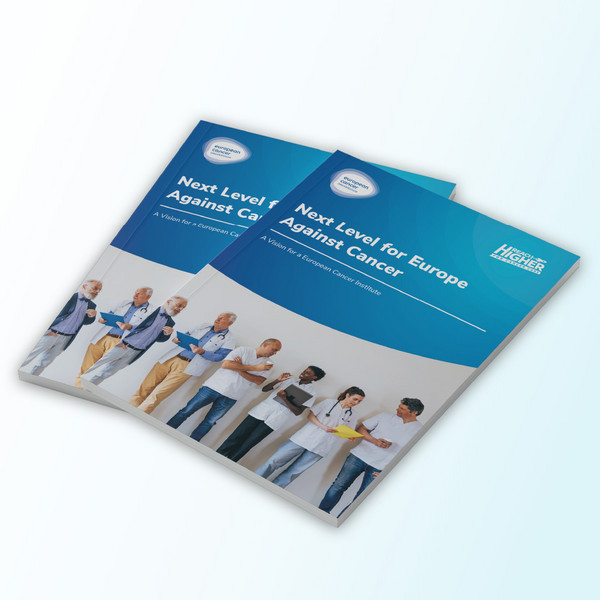
ECO's new policy report, Next Level for Europe Against Cancer: A Vision for a European Cancer Institute, outlines the many benefits, including stronger leadership, coordination and accountability for EU cancer action. This proposed institute would build on existing European initiatives rather than replace them, helping to connect research, cancer care and education under a coherent, long-term strategy.
The report identifies seven priorities for this new entity, including meaningful involvement of experts, patients and Member States in its governance, stronger investment in cancer infrastructures, better use of cancer data to guide policy decisions, and greater support for clinical research and innovation.
It also examines four possible legal models, based on existing EU institutional structures and input from ECO’s membership and the wider cancer community.
Next steps?
ECO is calling for concrete action from European decision-makers, including a dedicated European Commission working group, discussions between Member States, protection of EU health funding to secure the future of European cancer initiatives, and a European Parliament hearing around World Cancer Day 2027.
This comes at a critical time, as negotiations advance on the EU's next long-term budget for 2028–2034. Through this new report, ECO invites European institutions and the cancer community to work towards a more coordinated and sustainable future for cancer control.
Read the full report here.