Why Interdisciplinary Oncology Matters
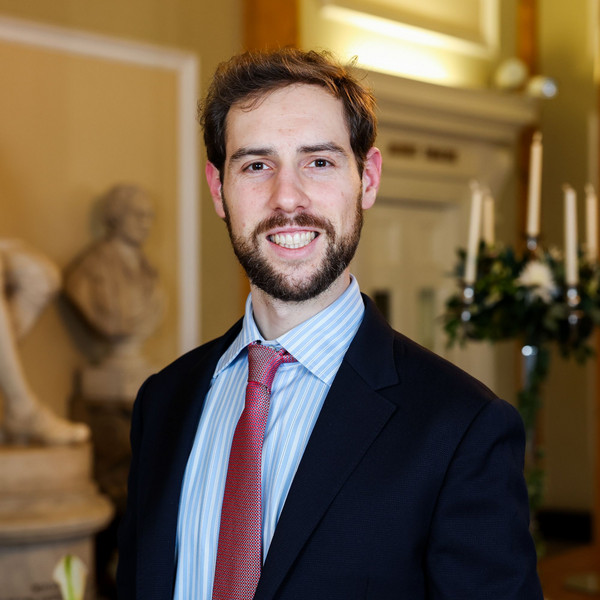
By Luca Resca, MD, Breast Surgeon, IRCCS Istituto di Candiolo FPO. Torino
In modern oncology, interdisciplinary care is widely recognised as essential. Yet knowing this in theory is not the same as knowing how to actually practice it.
As a breast surgeon, I see every day how cancer care extends far beyond a single specialty. Surgery is only one part of a much larger process involving medical oncology, radiology, radiation therapy, nursing, psychology, and many others. The quality of care depends not only on expertise but also on timing, communication, and the ability of professionals to work together for the betterment of the patient.
Too often, healthcare systems remain fragmented. Each discipline contributes valuable insights into a specific cancer in a specific patient, but patients do not experience cancer in isolated compartments. They experience it as a single journey marked by uncertainty, emotional strain, and complex decisions. When collaboration among healthcare professionals is inadequate, the burden of connecting the pieces can inadvertently fall on the patients themselves.
This is why interdisciplinary education matters. A programme like INTERACT-EUROPE 100 does more than teach collaboration as a concept; it encourages a different way of thinking about care. The focus shifts from the disease alone to the person living with it, including not only medical treatment, but also psychological and social support.
True interdisciplinary practice requires more than shared protocols or meetings between specialists. It requires a cultural shift: learning to listen across disciplines, to understand different perspectives, and to recognise that no single specialty can fully address the complexity of cancer care alone.
I believe the future of oncology depends not only on scientific advances but also on our ability as healthcare professionals to work together more effectively. Only by seeing the patient as a whole can we offer the comprehensive care they truly need.