ECO calls for stronger policy on gynecologic cancers
September 2026
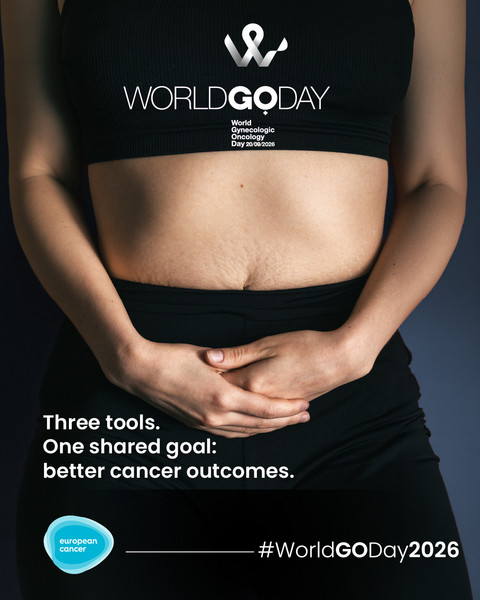
Today, World Gynecologic Oncology Day brings renewed attention to the stigma surrounding gynecologic cancers. This year’s theme, ‘Support Not Stigma’, calls for practical support for women affected by these diseases.
For European policymakers, that means ensuring that women can access prevention, timely diagnosis, appropriate quality-of-life, essential care and survivorship support, and that their needs are reflected in health policy and funding. Discover the official World GO Day campaign.
Stigma can make it harder to discuss symptoms, seek advice or ask for support. Addressing it requires open conversations, a strong support system and health services equipped to listen and respond. Awareness campaigns should therefore be backed by investment in accessible information, healthcare professional training and clear routes to diagnosis and treatment.
Gynecologic cancers affect the female reproductive system and come in many different forms, including cervical, ovarian, uterine/endometrial, vulvar and vaginal cancers. While they share some common challenges, their risk factors, symptoms, prevention options, and routes to diagnosis can differ significantly.
ECO’s landmark report, Women and Cancer: More than 12 million reasons for action!, highlights the wide-ranging impact of cancer on women across Europe. With an estimated 12 million women currently living with cancer, the report calls for action across prevention, screening, treatment and survivorship, while also addressing fertility and reproductive health, psychological support, caregiving and persistent gender inequalities in cancer care. Its 16 recommendations provide a framework for ensuring that women’s specific needs are better reflected in cancer policy and services across Europe. Read the report here.
Making those needs visible is a first step towards stronger accountability. ECO’s European Women and Cancer Policy Index compares national policies and performance across prevention, screening, quality of care and quality of life, and support for informal carers. Its scope recognises that the impact of cancer extends beyond treatment to include fertility preservation and the social protection available to those providing care. Policymakers can use the Index to identify weaknesses in their national response and set priorities for improvement. Explore the European Women and Cancer Policy Index.
Prevention also matters across other gynecological cancers. Reducing modifiable risk factors, supporting healthy lifestyles and identifying people with inherited cancer risk can help reduce the burden of ovarian and uterine/endometrial cancers, although prevention options vary considerably between cancer types.
For cervical cancer, prevention and screening offer particularly important opportunities. HPV vaccination can prevent infections that cause cervical and other HPV-related cancers, while cervical screening enables the detection of precancerous changes that can be treated before cancer develops. Delivering both effectively requires sustained programmes, accessible services and reliable follow-up.
Yet the availability of a screening programme does not guarantee that everyone eligible can benefit. The European Cancer Screening Policy Index 2026 shows continuing disparities across Europe, with participation stagnating or declining in several countries despite advances in screening policy. Covering six cancer types, including cervical cancer, the Index examines both policy implementation and the reach of programmes, including inequalities associated with income, education and urbanisation. Explore the European Cancer Screening Policy Index 2026.
Screening must also be distinguished from early diagnosis across gynecologic cancers.
Vaccination policy requires the same attention to implementation. ECO’s Good Practice Guide on HPV Vaccination sets out practical steps to establish and sustain gender-neutral programmes: secure funding, delivery through schools and health services, trained staff, trusted communication and data to identify gaps in coverage. It provides policymakers and programme managers with a basis for improving access and maintaining public confidence. Explore the HPV Vaccination Guide.
This World GO Day, European and national decision-makers should use the available evidence to identify gaps, fund improvements and report progress. Women affected by gynecologic cancers, alongside patient organisations and healthcare professionals, must help shape that response. Giving practical meaning to ‘Support Not Stigma’ means making prevention, care and support accessible throughout the cancer journey.